Integrations That Fit Your Existing Environment

ClaimScape connects with existing systems and specialized services across the claims operation.

Real-time APIs and EDI connectivity support healthcare data exchange, while direct 837 processing and client-specific integrations address existing system relationships, data formats, and administrative processes.

Smiling healthcare administrator shaking hands with a colleague
Healthcare professional holding a clipboard and reviewing information on his phone

Work Within the Environment Already in Place

Claims processing rarely starts and ends within the same system. Enrollment information typically arrives from one application, while authorization or payment work continue in a seperate one.

DataGenix reviews those interactions before determining how ClaimScape should connect with the surrounding environment to:

  • Preserve Necessary Systems

    Technology that continues to serve a defined purpose can remain part of the operating model when compatibility and integration requirements support the connection.

  • Maintain Established Workflows

    Each integration is linked to the process it supports, allowing information to move without separating it from the administrative record behind the claim.

For organizations evaluating claims processing software, this approach supports modernization without assuming every existing technology relationship must be replaced.

Move Healthcare Data Into and Through the Claims Process

The right method of exchange depends on how the information will be used.

Importing a claim file into the platform requires a different type of connection than sharing information with another application in real time.

Two colleagues reviewing data together on a mobile device
  • Real-Time APIs

    An API can make selected information available to another application or bring information into the claims workflow based on its defined use.

    ClaimScape supports real-time web service APIs for approved system connections.

  • EDI Connectivity

    EDI supports standardized healthcare transactions used across claims administration.

    Depending on the connection, ClaimScape can exchange claim and eligibility information or support remittance and payment-related workflows.

  • Direct 837 Claims Processing

    Electronic 837 claim files can be uploaded directly into ClaimScape.

    The file enters the configured intake and processing workflow without a separate manual entry step.

  • Client-Specific Data Exchange

    When a standard connection does not address the operating requirement, DataGenix can assess a custom integration or data conversion approach.

    The scope reflects the source system, the format of the information, and how the data will support work within ClaimScape.

Extend the Workflow Through Established Partners

Outside services often perform defined work before a claim is finalized. A supported integration keeps the partner’s activity connected to the information and next step associated with the claim.

  • Clinical & Utilization Management

    Authorization and case management may remain with another system or partner.

    A connection can exchange the administrative information required to complete that work and continue the related claims process within ClaimScape.

  • Payment, Pricing, & Claims Support

    Partner services may contribute to pricing or payment activity, while others perform a defined claims review.

    DataGenix maps the exchange to the point where the partner enters and exits the workflow, keeping its work connected to the broader claim record.

DataGenix works with established healthcare technology partners across utilization management, payment administration, pricing, and claims support.

Healthcare administrator meeting with a technology partner in an office

Our Healthcare Technology Partners

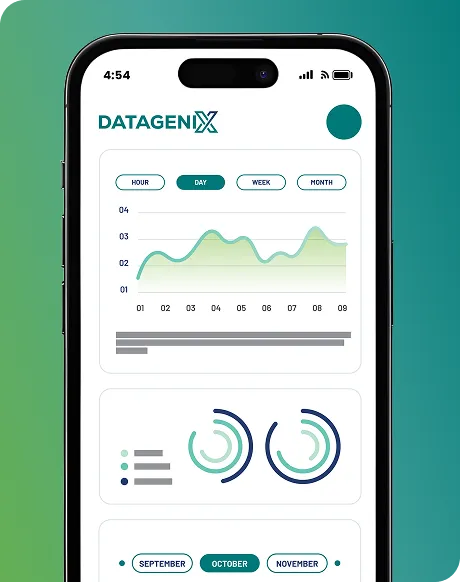
DataGenix dashboard displayed on a smartphone

Adapt Integrations to Different Operating Models

A TPA may support several client systems within one claims operation. Health plans, MCOs, employer groups, and IPAs may divide administrative responsibility differently between internal teams and outside partners.

ClaimScape supports those variations through configurable workflows and client-specific integration planning.

  • Shared Platform Requirements

    Establish the connections and processing requirements that apply across the operation.

  • Client-Specific Requirements

    Document where a client, plan, or business unit requires a different system connection or workflow.

For organizations comparing TPA software or healthcare claims management software, this structure can accommodate different administrative arrangements without creating a separate core platform for each variation.


Make Integration Part of Implementation

A connection can technically function but still create problems when it does not reflect the operating process.

DataGenix reviews the systems already in use and the information ClaimScape must exchange with them. Implementation planning also accounts for the people or partners responsible for each handoff.

Define Before Building

Document the connection’s purpose and the information required by the workflow.

Validate Before Launch

Review the configured exchange against the process it was designed to support.

New integration needs can be evaluated after launch as client requirements or partner relationships change. The connected environment can expand without reopening every earlier technology decision.

DataGenix has worked in healthcare administration technology since 2000 and supported more than 60 customer implementations across domestic and international markets.

Customer Story

See the Platform in Practice

What a great group of people to work with. We implemented ClaimScape with DataGenix and built it the right way. Can never say how helpful the team is in making the system work the way you need. Great job Mark and team.

— Director of Operations

Frequently Asked Questions

ClaimScape supports real-time web service APIs, EDI connectivity, direct 837 processing, data conversion, and client-specific connections with approved systems or partners. Available options depend on the technology involved and the administrative process being supported.

Yes. ClaimScape supports real-time web service APIs for approved system connections. DataGenix defines which information will move and how the receiving process will use it before the connection is developed.

Yes. ClaimScape supports EDI connectivity for healthcare transaction workflows and direct 837 claim file processing. Requirements depend on the transaction, the connected parties, and the workflow receiving the information.

DataGenix works with healthcare technology partners that support utilization management, payment administration, pricing, and claims-related services. The role of each connection depends on the work the partner performs within the claims process.

Implementation begins with a review of the current environment. Systems that continue to serve the operation may remain connected when compatibility and integration requirements support that approach.

DataGenix reviews the existing workflow and documents the purpose of each proposed connection. Approved integrations are configured and validated against the process they need to support before launch.

Not necessarily. DataGenix reviews the current environment and determines how existing technology could connect with ClaimScape. Systems that continue to serve a defined purpose may remain when compatibility and integration requirements support the connection.

Healthcare software integration connects systems so approved data can move between applications and support related administrative workflows. Depending on the requirement, integrations may use APIs, EDI, standardized transaction files, or client-specific data exchange.

Evaluate ClaimScape Within Your Existing Environment

See how ClaimScape could connect with the systems, data exchanges, and partner services already supporting your claims operation.

DataGenix can review your current environment, identify connections that warrant further evaluation, and discuss how integration requirements would be addressed during implementation.

Scroll to Top